Tropaeolaceae
Garden nasturtium Care Guide
Tropaeolum majus
Garden nasturtium is an annual or short-lived perennial characterized by round, shield-shaped leaves and brightly colored flowers. The leaf stalk attaches near the center of the leaf, with veins radiating outward. The leaves and flowers have a mildly peppery flavor, and plants grown without pesticides can also be eaten.
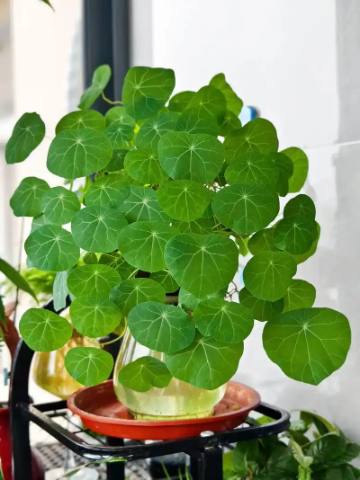 View Gallery
Care Overview
Light
Prefers a sunny location. In regions with intense heat, protect it from strong afternoon sun and grow it in partial shade.
Follow species light needs for best growth.
Water
Water thoroughly when the soil surface has dried. Constantly wet soil or standing water in the saucer can cause root rot.
Adjust watering to pot size and season.
Temperature
The ideal growing temperature is approximately 10-24°C. It does not tolerate hard frost or hot, humid conditions well.
Avoid sudden temperature swings.
Humidity
It grows well in typical indoor humidity, but ensure good airflow to prevent stagnant, humid conditions.
Match humidity to the plant’s native climate when possible.
Soil
Well-draining mix
Use a mix suited to the species (cactus, tropical, etc.).
Pet Safe
It is generally considered non-toxic to dogs and cats, but eating large amounts may cause digestive symptoms.
Generally non-toxic; leaves and flowers grown without pesticides are edible
Detailed Care Instructions
Light
Grow it where it receives about 4-6 hours of sunlight each day. Insufficient light causes leggy stems and fewer flowers. Soften the afternoon sun during midsummer to prevent leaf scorch.
Watering
Wait until the top 2-3 cm of soil has dried, then water until it drains from the bottom of the pot. When growing in water, replace the water regularly and adjust its level so that part of the root system is exposed to air.
Soil and Drainage
Use a standard, well-draining potting mix. Overly fertile soil tends to produce excessive foliage, so avoid adding too much compost or fertilizer.
Fertilizing
During the growing season, apply a low-nitrogen liquid fertilizer diluted below the recommended strength once every 3-4 weeks. Avoid high-nitrogen fertilizers because they can inhibit flowering.
Pruning and Training
Cut back overgrown stems to encourage branching and maintain a tidy shape. If allowing the plant to climb, loosely train the vines onto a stake or trellis, and remove spent flowers as needed.
Temperature and Airflow
Maintain a cool environment with good airflow. Move the plant indoors when frost is expected, and protect it from direct sun and stagnant, humid conditions during midsummer.
How to Propagate
- 1
Prepare the Seeds
Collect fully mature seeds and allow them to dry, or obtain commercially available seeds. Soaking the hard-coated seeds in water overnight can promote more uniform germination.
- 2
Sow the Seeds
Sow the seeds 1-2 cm deep in well-draining soil and cover them lightly. Because the roots are easily damaged, sowing directly into individual pots is recommended.
- 3
Care for Them Until Germination
Maintain a temperature of around 15-20°C and keep the soil moist without allowing it to dry out completely. Germination usually occurs within 7-14 days.
- 4
Transplant the Seedlings
Once several true leaves have developed and there is no longer a risk of frost, transplant the seedlings into pots or garden beds without disturbing the root ball. Space plants approximately 20-30 cm apart, depending on the variety.
Common Problems & Solutions
Aphids
CommonThey gather on new growth and the undersides of leaves, causing curled foliage, sticky residue, and sooty mold.
What to do:
- Wash them off the leaves with a strong stream of water
- Remove heavily affected shoots and leaves
- Use horticultural soap or an approved pesticide according to the label instructions
- Avoid excessive use of nitrogen fertilizer
Yellowing Leaves
CommonLeaves may turn yellow due to excess moisture, poor drainage, insufficient light, or the natural aging of older foliage.
What to do:
- Allow the soil to dry before watering
- Check the drainage holes and overall drainage conditions
- Move the plant to a brighter, better-ventilated location
- Remove yellow leaves
Failure to Bloom
OccasionalInsufficient light or excessive nitrogen fertilizer may cause lush foliage growth without flowers.
What to do:
- Move the plant to a location that receives 4-6 hours of sunlight each day
- Stop using high-nitrogen fertilizers
- Use a low-nitrogen flowering fertilizer sparingly
- Lightly cut back overgrown stems
Powdery Mildew
OccasionalWhite, powdery patches appear on the leaf surfaces. As the disease progresses, the leaves turn yellow and weaken.
What to do:
- Improve airflow by providing adequate spacing between plants
- Water at the base of the plant without wetting the leaves
- Remove and discard infected leaves
- Apply an approved fungicide if necessary
Toxicity Information & Safety Guide
Pets
SafeGarden nasturtium is generally considered non-toxic to dogs and cats, but large amounts should not be consumed.
Possible Symptoms:
- Mild vomiting after consuming a large amount
- Loose stools or diarrhea
- Gastrointestinal discomfort
What to Do:
- Remove any remaining plant material from the mouth
- Offer a small amount of water and monitor the pet
- Consult a veterinarian if symptoms persist
Children and Adults
SafeThe leaves, flowers, and immature seeds are eaten as food, but only correctly identified plants grown without pesticides should be used for culinary purposes.
Precautions:
- Irritation of the mouth or stomach from the peppery compounds
- Digestive discomfort after consuming a large amount
- Ingestion of plants contaminated with pesticides or other substances
Safe Use:
- Try a small amount first
- Wash thoroughly
- Do not eat ornamental plants that have been treated with chemicals
Handling
CautionIt is safe to handle under normal circumstances, but sensitive individuals may experience mild irritation from the plant sap.
Situations Requiring Care:
- Sap coming into contact with the skin during pruning
- Sap getting into the eyes
- Having a plant allergy
Prevention and Response:
- Wear gloves if you have sensitive skin
- Wash your hands after handling
- If sap gets into the eyes, rinse thoroughly with clean water
Frequently Asked Questions
How often should I water Garden nasturtium?
Water thoroughly when the soil surface has dried. Constantly wet soil or standing water in the saucer can cause root rot.. Adjust watering to pot size and season.
What light does Garden nasturtium need?
Prefers a sunny location. In regions with intense heat, protect it from strong afternoon sun and grow it in partial shade.. Follow species light needs for best growth.
Is Garden nasturtium toxic to pets?
It is generally considered non-toxic to dogs and cats, but eating large amounts may cause digestive symptoms.. Generally non-toxic; leaves and flowers grown without pesticides are edible
How do I propagate Garden nasturtium?
Prepare the Seeds: Collect fully mature seeds and allow them to dry, or obtain commercially available seeds. Soaking the hard-coated seeds in water overnight can promote more uniform germination.
What are common problems with Garden nasturtium?
Aphids. They gather on new growth and the undersides of leaves, causing curled foliage, sticky residue, and sooty mold.
Not sure what plant you have?
Upload a photo to PlantID — free AI plant identifier online, no app required. Get the name, care tips, and pet toxicity in seconds.
Identify a plant from a photo