Crassulaceae
Lipstick echeveria Care Guide
Echeveria agavoides
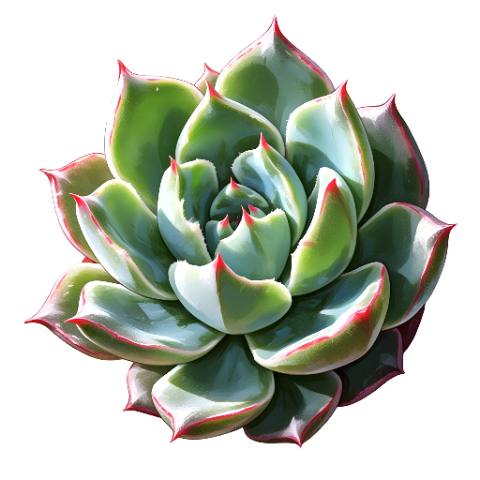
A compact, rosette-forming succulent with thick, triangular green leaves and sharply pointed tips that often turn red in strong light. Mature plants may produce arching stalks of coral-red flowers with yellow interiors.
 View Gallery
Care Overview
Light
Bright light with several hours of gentle direct sun; acclimate gradually to intense midday sun.
Follow species light needs for best growth.
Water
Water deeply only after the potting mix has dried completely, then allow excess water to drain. Reduce watering in winter.
Adjust watering to pot size and season.
Temperature
Best at 18–27°C; protect from frost and prolonged temperatures below about 5°C.
Avoid sudden temperature swings.
Humidity
Prefers low to average humidity with good air circulation.
Match humidity to the plant’s native climate when possible.
Soil
Well-draining mix
Use a mix suited to the species (cactus, tropical, etc.).
Pet Safe
Generally considered non-toxic to cats and dogs, though chewing may cause mild digestive upset.
Generally regarded as non-toxic to people, cats, and dogs.
Detailed Care Instructions
Light
Provide very bright light and 4–6 hours of sun when possible. Introduce direct sun gradually to prevent scorching; insufficient light causes stretched, loose growth and weaker coloration.
Water
Use the soak-and-dry method: saturate the soil thoroughly, let all excess water escape, and wait until the mix is fully dry before watering again. Keep water out of the rosette.
Soil and container
Plant in a gritty cactus or succulent mix amended with pumice, perlite, or coarse mineral material. A pot with an unobstructed drainage hole is essential.
Temperature and airflow
Maintain warm conditions with good ventilation. Protect the plant from frost, cold rain, and stagnant humid air, all of which increase the risk of rot.
Feeding
Feed lightly during spring and early summer with a diluted, low-nitrogen succulent fertilizer. Avoid heavy feeding, which can produce soft, weak growth.
Routine maintenance
Remove dry lower leaves gently, inspect leaf joints for mealybugs, and rotate the pot periodically for even growth. Repot when crowded or when the soil has compacted.
How to Propagate
- 1
Choose an offset
Select a healthy basal offset that has formed several leaves and, ideally, some roots.
- 2
Separate cleanly
Remove the plant from its pot and detach the offset with a sterile blade, preserving as many roots as possible.
- 3
Let the wound callus
Leave the offset in a dry, shaded place for one to three days until the cut surface is sealed.
- 4
Plant in a dry mix
Set the offset in a small pot of fast-draining succulent soil. Wait several days before the first light watering.
- 5
Establish gradually
Keep it in bright indirect light while roots establish, then introduce stronger sunlight and normal soak-and-dry watering.
Common Problems & Solutions
Root or crown rot
CommonSoft, translucent, darkening leaves or a collapsing center usually result from excess moisture, poor drainage, or water trapped in the rosette.
What to do:
- Stop watering and remove the plant from wet soil
- Cut away rotten tissue with a sterile blade
- Allow healthy tissue to callus before repotting
- Use a dry, gritty mix and a pot with drainage
Etiolation
CommonA stretched stem, widely spaced leaves, or a loose rosette indicates inadequate light.
What to do:
- Move the plant gradually into brighter light
- Rotate the pot for balanced exposure
- Propagate the compact top if growth cannot be corrected
Sunburn
OccasionalBleached, tan, or brown patches can appear when a shade-grown plant is moved abruptly into intense sun.
What to do:
- Provide temporary afternoon protection
- Increase direct-light exposure over one to two weeks
- Do not remove healthy leaves solely for cosmetic damage
Mealybugs
OccasionalWhite cottony clusters may develop between leaves or around roots and can weaken the plant.
What to do:
- Isolate the affected plant
- Remove visible pests with a cotton swab dipped in 70% isopropyl alcohol
- Inspect the roots and nearby plants
- Repeat treatment weekly until controlled
Toxicity Information & Safety Guide
Pets
SafeEcheveria species are generally considered non-toxic to cats and dogs, but ingestion should still be discouraged.
Possible effects:
- Mild stomach upset after eating a large amount
- Mechanical irritation from firm, pointed leaves
What to do:
- Remove plant material from the mouth
- Offer water and monitor
- Contact a veterinarian if persistent symptoms occur
Children/Humans
SafeNo significant toxicity is generally associated with Echeveria, though the plant is not intended for consumption.
Possible effects:
- Minor mouth or stomach discomfort if eaten
- Small scratches from pointed leaf tips
What to do:
- Rinse the mouth or affected skin
- Seek medical advice if unusual or persistent symptoms develop
Handling
CautionRoutine handling is low risk, but the pointed tips, fragile leaves, and soil treatments warrant normal care.
Precautions:
- Handle by the pot or lower rosette
- Avoid breaking or crushing leaves
- Wear gloves when using pesticides or fertilizers
Aftercare:
- Wash hands after repotting
- Clean minor scratches
- Keep treated plants away from children and pets until dry
Frequently Asked Questions
How often should I water Lipstick echeveria?
Water deeply only after the potting mix has dried completely, then allow excess water to drain. Reduce watering in winter.. Adjust watering to pot size and season.
What light does Lipstick echeveria need?
Bright light with several hours of gentle direct sun; acclimate gradually to intense midday sun.. Follow species light needs for best growth.
Is Lipstick echeveria toxic to pets?
Generally considered non-toxic to cats and dogs, though chewing may cause mild digestive upset.. Generally regarded as non-toxic to people, cats, and dogs.
How do I propagate Lipstick echeveria?
Choose an offset: Select a healthy basal offset that has formed several leaves and, ideally, some roots.
What are common problems with Lipstick echeveria?
Root or crown rot. Soft, translucent, darkening leaves or a collapsing center usually result from excess moisture, poor drainage, or water trapped in the rosette.
Not sure what plant you have?
Upload a photo to PlantID — free AI plant identifier online, no app required. Get the name, care tips, and pet toxicity in seconds.
Identify a plant from a photo