Asparagaceae
Madagascar dragon tree Care Guide
Dracaena marginata
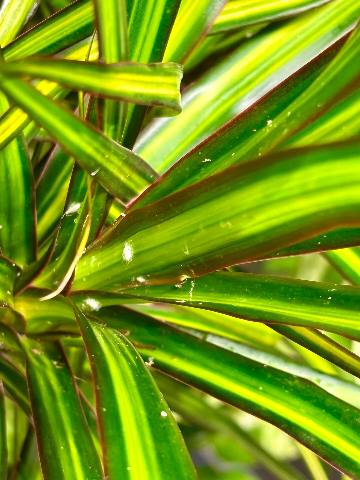
A tropical evergreen known for its narrow, arching leaves with bright green and yellow striping and dark red margins. It is widely grown as a resilient indoor foliage plant.
 View Gallery
Care Overview
Light
Provide bright, indirect light for the strongest coloration. It tolerates medium light, but harsh direct sun can scorch the leaves.
Follow species light needs for best growth.
Water
Water when the upper 3–5 cm of soil feels dry, then drain thoroughly. Avoid leaving the roots in standing water.
Adjust watering to pot size and season.
Temperature
Keep between 18–27°C and protect from temperatures below 13°C, cold drafts, and sudden temperature changes.
Avoid sudden temperature swings.
Humidity
Average household humidity is usually adequate, although moderate humidity helps prevent dry leaf tips.
Match humidity to the plant’s native climate when possible.
Soil
Well-draining mix
Use a mix suited to the species (cactus, tropical, etc.).
Pet Safe
No. Toxic to cats and dogs if ingested.
Contains steroidal saponins and is toxic to cats and dogs when ingested.
Detailed Care Instructions
Light
Place the plant near a window with bright, filtered light. Variegation remains strongest under bright indirect light, while intense midday sun may bleach or burn the foliage.
Water
Allow the upper 3–5 cm of potting mix to dry before watering deeply. Empty the drainage tray afterward and reduce watering during cooler, darker months.
Soil and Drainage
Use a loose, well-draining indoor potting mix in a container with drainage holes. Adding perlite or fine orchid bark can improve aeration and reduce root-rot risk.
Feeding
Apply a balanced liquid houseplant fertilizer at half strength every four to six weeks during spring and summer. Avoid fertilizing dry soil or feeding heavily in winter.
Grooming
Wipe the narrow leaves regularly to remove dust and inspect leaf joints for pests. Trim brown tips with clean scissors while following the natural shape of the leaf.
Water Quality
Dracaenas can be sensitive to fluoride and dissolved salts. If leaf tips repeatedly turn brown, use rainwater, distilled water, or filtered water and periodically flush the soil.
How to Propagate
- 1
Choose a Healthy Stem
Select a healthy cane or leafy stem without signs of pests, rot, or severe damage.
- 2
Take the Cutting
Using a sterile blade, cut a 10–20 cm section just below a node. Remove leaves from the lower portion of the cutting.
- 3
Root the Cutting
Place the cutting in clean water or insert it into a lightly moist, well-draining propagation mix. Keep at least one node submerged or beneath the soil surface.
- 4
Provide Warmth and Light
Keep the cutting warm in bright indirect light. Refresh the water regularly or maintain slightly moist, never saturated, propagation media.
- 5
Pot the New Plant
Transfer a water-rooted cutting to potting mix when several roots are approximately 3–5 cm long. Keep the mix lightly moist while the plant adjusts.
Common Problems & Solutions
Mealybugs
CommonWhite, cottony clusters on the leaves and in leaf joints indicate sap-feeding mealybugs; similar deposits appear visible in the image.
What to do:
- Isolate the plant from other houseplants.
- Remove visible insects with a cotton swab dipped in 70% isopropyl alcohol.
- Treat all leaf surfaces and joints with insecticidal soap according to its label.
- Repeat inspection and treatment every 7–10 days until no pests remain.
Brown Leaf Tips
CommonDry tips can result from low humidity, inconsistent watering, fertilizer salts, or fluoride sensitivity.
What to do:
- Water consistently after the upper soil layer dries.
- Switch to filtered, distilled, or rainwater.
- Flush accumulated salts from the potting mix.
- Keep the plant away from heating and cooling vents.
Root Rot
OccasionalConstantly wet soil can cause yellowing leaves, soft stems, a foul smell, and dark, decaying roots.
What to do:
- Stop watering until the soil begins to dry.
- Remove rotten roots with sterile tools.
- Repot in fresh, well-draining soil and a container with drainage holes.
- Water less frequently and never leave the pot standing in water.
Spider Mites
OccasionalFine webbing, pale stippling, and dull foliage can occur when spider mites multiply in warm, dry conditions.
What to do:
- Rinse the foliage thoroughly, including the undersides.
- Apply insecticidal soap or horticultural oil according to its label.
- Increase humidity moderately while maintaining airflow.
- Repeat treatment weekly until controlled.
Toxicity Information & Safety Guide
Pets
ToxicDracaena foliage contains saponins that can cause illness in cats and dogs.
Symptoms:
- Vomiting
- Drooling
- Loss of appetite
- Lethargy
- Dilated pupils in cats
What to do:
- Remove plant material from the mouth.
- Contact a veterinarian or animal poison service promptly.
- Do not induce vomiting unless directed by a professional.
Children/Humans
CautionHuman poisoning is generally considered less severe, but chewing or swallowing plant material may cause gastrointestinal irritation.
Symptoms:
- Mouth irritation
- Nausea
- Stomach discomfort
- Vomiting
What to do:
- Rinse the mouth and remove remaining plant material.
- Offer small sips of water.
- Contact a poison-control service if symptoms occur or a significant amount was swallowed.
Handling
SafeRoutine handling and pruning are generally safe, though sensitive individuals may experience mild sap irritation.
Precautions:
- Wear gloves if skin is sensitive.
- Avoid touching the eyes while pruning.
- Clean pruning tools after use.
What to do:
- Wash hands after handling cut stems.
- Rinse exposed skin with soap and water.
- Flush eyes with clean water if sap enters them.
Frequently Asked Questions
How often should I water Madagascar dragon tree?
Water when the upper 3–5 cm of soil feels dry, then drain thoroughly. Avoid leaving the roots in standing water.. Adjust watering to pot size and season.
What light does Madagascar dragon tree need?
Provide bright, indirect light for the strongest coloration. It tolerates medium light, but harsh direct sun can scorch the leaves.. Follow species light needs for best growth.
Is Madagascar dragon tree toxic to pets?
No. Toxic to cats and dogs if ingested.. Contains steroidal saponins and is toxic to cats and dogs when ingested.
How do I propagate Madagascar dragon tree?
Choose a Healthy Stem: Select a healthy cane or leafy stem without signs of pests, rot, or severe damage.
What are common problems with Madagascar dragon tree?
Mealybugs. White, cottony clusters on the leaves and in leaf joints indicate sap-feeding mealybugs; similar deposits appear visible in the image.
Not sure what plant you have?
Upload a photo to PlantID — free AI plant identifier online, no app required. Get the name, care tips, and pet toxicity in seconds.
Identify a plant from a photo