Nyctaginaceae
Paperflower Care Guide
Bougainvillea glabra
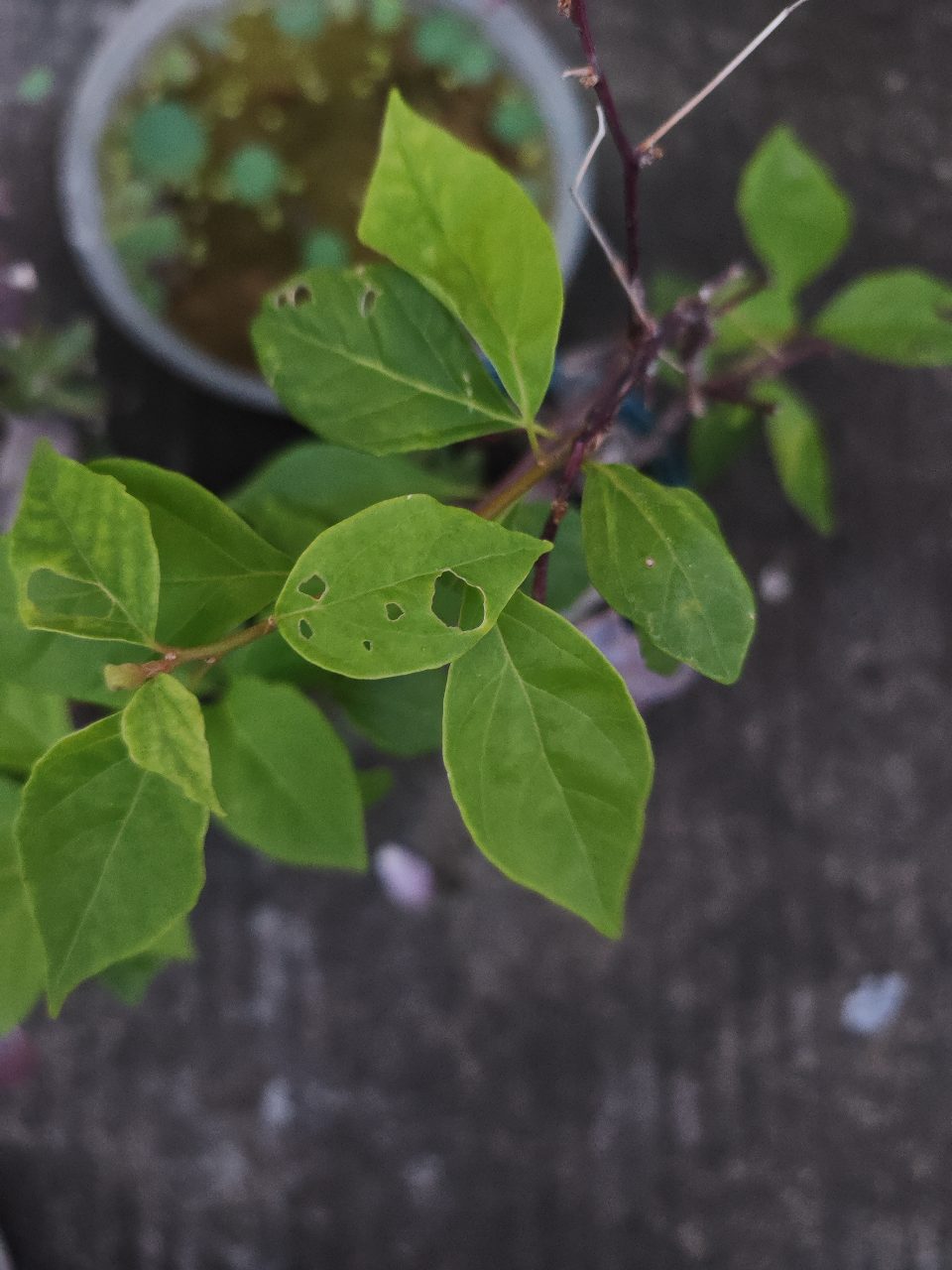
Bougainvillea glabra is a thorny, woody, evergreen or semi-evergreen climbing shrub. It is valued for its vivid, papery bracts surrounding small, inconspicuous flowers. The image shows its characteristic ovate leaves, reddish woody stems, and sharp thorns, although flowers or bracts are not present for definitive confirmation.
 View Gallery
Care Overview
Light
Provide full sun for at least 6 hours daily. Strong direct light promotes compact growth and abundant flowering.
Follow species light needs for best growth.
Water
Water deeply, then allow the upper soil to dry before watering again. Established plants tolerate short dry periods and flower poorly when constantly wet.
Adjust watering to pot size and season.
Temperature
Best at 18–32°C. Protect from frost and prolonged temperatures below approximately 7°C.
Avoid sudden temperature swings.
Humidity
Average outdoor or household humidity is suitable. Good airflow helps prevent fungal disease.
Match humidity to the plant’s native climate when possible.
Soil
Well-draining mix
Use a mix suited to the species (cactus, tropical, etc.).
Pet Safe
Use caution around pets. Ingestion may cause mild digestive upset, while thorns can cause physical injury.
Generally considered mildly toxic or irritating if ingested; sap may irritate skin, and sharp thorns can cause puncture wounds
Detailed Care Instructions
Light
Place the plant in the sunniest available location, ideally receiving 6–8 hours of direct sunlight each day. Insufficient light produces long, leafy growth with few colorful bracts.
Water
Water thoroughly until excess drains away, then wait until the upper several centimeters of soil are dry. Reduce watering during cool or dormant periods and never leave a container standing in water.
Soil and drainage
Use a fertile but sharply draining mixture, such as potting soil amended with coarse sand, perlite, or fine bark. A slightly acidic to neutral soil is suitable, and containers must have unobstructed drainage holes.
Feeding
Apply a balanced or bloom-supporting fertilizer at reduced strength every 3–4 weeks during active growth. Avoid excessive nitrogen, which encourages foliage at the expense of flowering.
Pruning and support
Prune after a flowering cycle to control size, remove weak or dead wood, and encourage branching. Tie long shoots loosely to a sturdy support and wear thick gloves because the stems bear sharp thorns.
Winter protection
Move container plants to a bright, frost-free location before cold weather arrives. In marginal climates, protect roots with mulch and reduce watering while growth is slow.
How to Propagate
- 1
Select a cutting
During warm active growth, take a healthy semi-hardwood stem section approximately 10–15 cm long with several nodes. Wear gloves and use clean pruning tools.
- 2
Prepare the stem
Remove the leaves from the lower half and retain only a few upper leaves. Make the lower cut just beneath a node and optionally apply rooting hormone.
- 3
Plant in a porous medium
Insert the cutting into a moist, sterile mixture of perlite and peat or coco coir. Keep at least one node below the surface and ensure the container drains freely.
- 4
Maintain rooting conditions
Keep the cutting warm in bright, indirect light with moderate humidity. Maintain slight, even moisture without saturating the medium; rooting may take several weeks.
- 5
Pot up gradually
Once roots and new growth are established, transfer the cutting carefully into well-draining potting soil. Introduce stronger sunlight gradually to prevent leaf scorch.
Common Problems & Solutions
Chewing insect damage
CommonIrregular holes and missing leaf tissue, as visible in the image, may be caused by caterpillars, beetles, grasshoppers, or bougainvillea loopers.
What to do:
- Inspect both sides of leaves and stems, especially after dusk.
- Remove visible pests by hand when practical.
- Use insecticidal soap or an appropriate biological caterpillar treatment if damage continues.
- Remove severely damaged leaves while retaining enough healthy foliage for growth.
Few flowers or colorful bracts
CommonExcess shade, frequent watering, heavy nitrogen feeding, or repeated pruning can promote foliage instead of flowering.
What to do:
- Increase direct sunlight to at least 6 hours daily.
- Allow the soil to dry moderately between waterings.
- Reduce high-nitrogen fertilizer.
- Prune immediately after flowering rather than continuously.
Root rot
OccasionalConstantly wet soil can cause yellowing, wilting, leaf drop, dark roots, and stem decline.
What to do:
- Stop watering until the upper soil has dried.
- Improve drainage and empty standing water from saucers.
- Trim decayed roots and repot into fresh, porous soil if necessary.
- Use a clean container with adequate drainage holes.
Sap-sucking pests
OccasionalAphids, whiteflies, mealybugs, and scale insects may cause distorted growth, sticky residue, or yellowing leaves.
What to do:
- Isolate affected container plants.
- Rinse light infestations away with water.
- Apply insecticidal soap or horticultural oil according to its label.
- Repeat treatment as needed and control ants that protect sap-sucking pests.
Cold injury
RareFrost or prolonged cold can blacken leaves and tender stems, leading to sudden defoliation.
What to do:
- Move pots indoors before frost.
- Cover outdoor plants during brief cold events.
- Wait until frost danger has passed before removing damaged wood.
- Keep cold-stressed plants slightly drier until growth resumes.
Toxicity Information & Safety Guide
Pets
CautionBougainvillea is not usually associated with severe poisoning, but chewing it may cause mild gastrointestinal irritation, and its thorns can injure the mouth, eyes, or paws.
Symptoms:
- Drooling
- Vomiting or diarrhea
- Mouth irritation
- Puncture wounds or eye injury
What to do:
- Remove plant material from the mouth.
- Rinse exposed skin or mouth gently with water.
- Contact a veterinarian if symptoms persist or an eye is injured.
- Keep the plant out of reach and away from pet pathways.
Children/Humans
CautionIngestion may cause mild digestive discomfort. The primary hazard is injury from sharp thorns, particularly to the skin and eyes.
Symptoms:
- Mouth or stomach irritation
- Nausea
- Skin scratches or punctures
- Eye irritation after contact
What to do:
- Rinse the mouth and offer a small amount of water.
- Do not induce vomiting.
- Clean puncture wounds promptly.
- Seek medical advice for significant ingestion, persistent symptoms, or eye injuries.
Handling
CautionThe sap may irritate sensitive skin, and the woody stems carry sharp thorns capable of causing deep scratches or punctures.
Risks:
- Sap-related skin irritation
- Scratches and puncture wounds
- Eye injury from springing branches
- Possible infection of unclean wounds
Precautions:
- Wear thick gloves, long sleeves, and eye protection when pruning.
- Use clean, sharp tools and control long stems before cutting.
- Wash exposed skin with soap and water.
- Clean and monitor puncture wounds for redness or swelling.
Frequently Asked Questions
How often should I water Paperflower?
Water deeply, then allow the upper soil to dry before watering again. Established plants tolerate short dry periods and flower poorly when constantly wet.. Adjust watering to pot size and season.
What light does Paperflower need?
Provide full sun for at least 6 hours daily. Strong direct light promotes compact growth and abundant flowering.. Follow species light needs for best growth.
Is Paperflower toxic to pets?
Use caution around pets. Ingestion may cause mild digestive upset, while thorns can cause physical injury.. Generally considered mildly toxic or irritating if ingested; sap may irritate skin, and sharp thorns can cause puncture wounds
How do I propagate Paperflower?
Select a cutting: During warm active growth, take a healthy semi-hardwood stem section approximately 10–15 cm long with several nodes. Wear gloves and use clean pruning tools.
What are common problems with Paperflower?
Chewing insect damage. Irregular holes and missing leaf tissue, as visible in the image, may be caused by caterpillars, beetles, grasshoppers, or bougainvillea loopers.
Not sure what plant you have?
Upload a photo to PlantID — free AI plant identifier online, no app required. Get the name, care tips, and pet toxicity in seconds.
Identify a plant from a photo