Araceae
Chinese evergreen Care Guide
Aglaonema commutatum
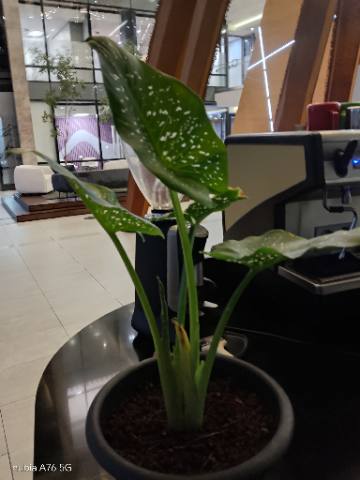
Aglaonema commutatum is a clumping tropical foliage plant valued for its glossy green leaves marked with irregular pale spots. It is well suited to indoor environments and tolerates lower light than many other houseplants.
 View Gallery
Care Overview
Light
Bright, indirect light is best. It tolerates low light, but strong direct sun can scorch the leaves and fade the markings.
Follow species light needs for best growth.
Water
Water when the top 2–5 cm of soil feels dry. Keep the soil lightly moist but never waterlogged, and reduce watering during cooler or darker periods.
Adjust watering to pot size and season.
Temperature
Keep between 18–30°C. Protect it from cold drafts and temperatures below 15°C.
Avoid sudden temperature swings.
Humidity
Average indoor humidity is acceptable, but moderate to high humidity supports healthier foliage. Avoid placing it directly beside heating or air-conditioning vents.
Match humidity to the plant’s native climate when possible.
Soil
Well-draining mix
Use a mix suited to the species (cactus, tropical, etc.).
Pet Safe
Not pet-friendly. Ingestion can cause irritation and swelling because the plant contains insoluble calcium oxalate crystals.
Toxic if chewed or swallowed by pets and people; sap may irritate skin and eyes.
Detailed Care Instructions
Light
Place in bright, filtered light for stronger growth and clearer leaf markings. A few hours of gentle morning light is acceptable, but shield the plant from intense midday or afternoon sun.
Watering
Check the soil with a finger before watering. Water thoroughly until excess drains from the pot, then empty any standing water. Allow the upper layer of soil to dry before watering again.
Soil and drainage
Use a loose, well-draining mix containing potting soil, perlite, and orchid bark or another coarse component. Choose a container with drainage holes to reduce the risk of root rot.
Feeding
Apply a balanced, diluted houseplant fertilizer once every 4–6 weeks during active growth. Avoid heavy fertilization in winter or when the plant is stressed.
Pruning and cleaning
Remove yellow or damaged leaves at the base with clean scissors. Wipe dust from the foliage occasionally so the leaves can photosynthesize efficiently and pests are easier to detect.
How to Propagate
- 1
Division
Remove the plant from its pot during active growth and separate naturally rooted clumps with clean hands or a sterilized knife. Replant each division at the same depth in a well-draining mix.
- 2
Stem cuttings
Cut a healthy stem section with at least one node. Allow the cut surface to dry briefly, then place the node in moist propagation medium while keeping the leaves above the surface.
- 3
Rooting conditions
Keep cuttings warm in bright indirect light with evenly moist, not saturated, medium. New roots commonly develop over several weeks.
- 4
Potting rooted cuttings
Move a cutting into a small pot once it has several established roots and visible new growth. Water lightly at first and gradually resume normal care.
Common Problems & Solutions
Root rot
CommonPersistently wet soil can cause soft, dark roots, yellowing leaves, and wilting despite moist soil.
What to do:
- Allow the upper soil layer to dry between waterings.
- Check that the container has unobstructed drainage holes.
- Remove rotted roots and repot into fresh, airy mix if necessary.
Spider mites
OccasionalFine webbing, stippled leaves, and dull foliage may indicate spider mites, especially in dry indoor air.
What to do:
- Rinse the foliage and leaf undersides with lukewarm water.
- Increase moderate humidity and improve air circulation.
- Treat repeatedly with insecticidal soap or horticultural oil according to the product label.
Mealybugs and scale
OccasionalWhite cottony clusters or small brown bumps may appear along stems, leaf joints, and undersides.
What to do:
- Isolate the plant from nearby plants.
- Remove visible pests with a cotton swab dipped in rubbing alcohol.
- Repeat treatment weekly until no new pests appear.
Brown leaf tips
CommonDry tips can result from inconsistent watering, low humidity, salt buildup, or exposure to drafts.
What to do:
- Keep watering more consistent without leaving the soil soggy.
- Flush the soil occasionally with clean water.
- Move the plant away from heaters, air conditioners, and cold drafts.
Toxicity Information & Safety Guide
Pets
ToxicChewing the leaves or stems can cause painful irritation and swelling.
Symptoms:
- Drooling
- Pawing at the mouth
- Oral pain
- Difficulty swallowing
- Vomiting
What to do:
- Remove plant material from the mouth if safe
- Contact a veterinarian promptly
- Seek emergency help if breathing is affected
Children/Humans
CautionThe plant contains insoluble calcium oxalate crystals that irritate the mouth and digestive tract when eaten.
Symptoms:
- Burning mouth
- Swollen lips or tongue
- Excessive drooling
- Nausea
- Difficulty swallowing
What to do:
- Rinse the mouth with water
- Do not induce vomiting
- Contact a medical professional or poison control service
Handling
CautionSap may irritate sensitive skin and eyes.
Symptoms:
- Skin redness
- Itching
- Eye irritation
- Burning sensation
What to do:
- Wear gloves when pruning or repotting
- Wash exposed skin with soap and water
- Rinse eyes with clean water and seek care if irritation persists
Frequently Asked Questions
How often should I water Chinese evergreen?
Water when the top 2–5 cm of soil feels dry. Keep the soil lightly moist but never waterlogged, and reduce watering during cooler or darker periods.. Adjust watering to pot size and season.
What light does Chinese evergreen need?
Bright, indirect light is best. It tolerates low light, but strong direct sun can scorch the leaves and fade the markings.. Follow species light needs for best growth.
Is Chinese evergreen toxic to pets?
Not pet-friendly. Ingestion can cause irritation and swelling because the plant contains insoluble calcium oxalate crystals.. Toxic if chewed or swallowed by pets and people; sap may irritate skin and eyes.
How do I propagate Chinese evergreen?
Division: Remove the plant from its pot during active growth and separate naturally rooted clumps with clean hands or a sterilized knife. Replant each division at the same depth in a well-draining mix.
What are common problems with Chinese evergreen?
Root rot. Persistently wet soil can cause soft, dark roots, yellowing leaves, and wilting despite moist soil.
Not sure what plant you have?
Upload a photo to PlantID — free AI plant identifier online, no app required. Get the name, care tips, and pet toxicity in seconds.
Identify a plant from a photo